Surface finishing is a critical process in stainless steel fabrication, not only for achieving aesthetic appeal but also for improving functionality, durability, and resistance to corrosion. Among the many surface finishing techniques available, bead blasting has gained popularity for its ability to produce a uniform, matte, and refined surface texture. But what exactly is a bead blasting finish for stainless steel, and why is it preferred in architectural, industrial, and decorative applications? Let’s explore this in detail.
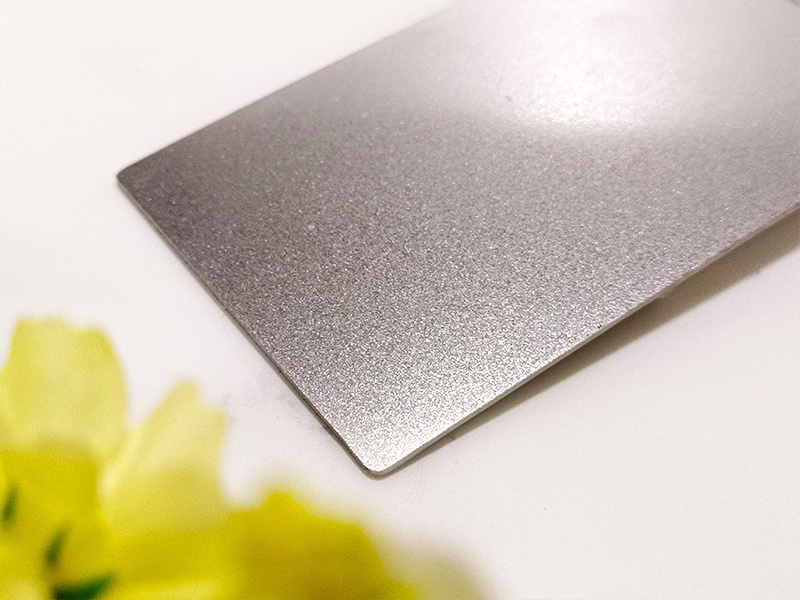
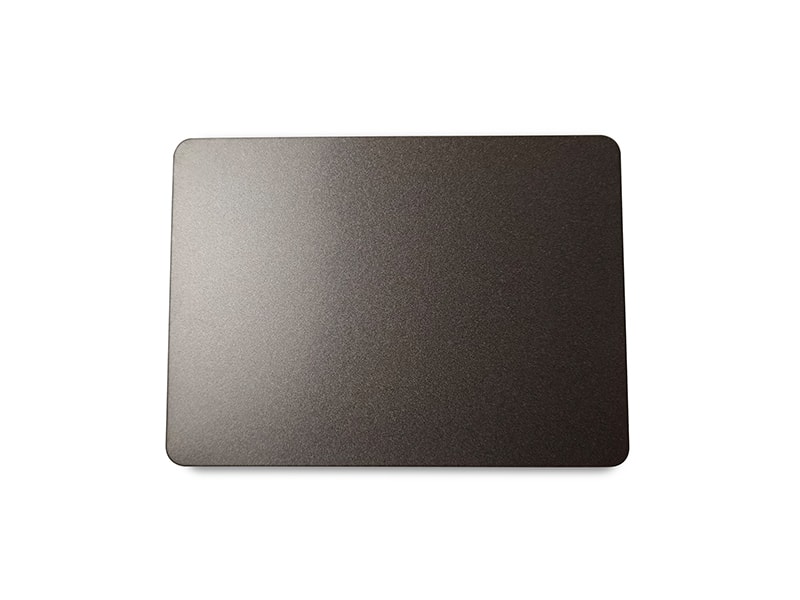
Bead blasting is a surface treatment process that involves propelling fine spherical media—usually glass beads—against the surface of stainless steel using high-pressure air. The impact of these beads gently abrades the surface, removing minor imperfections, oxidation, and discoloration while creating a smooth, satin-like matte finish.
Unlike abrasive blasting methods that use angular media such as sand or aluminum oxide, bead blasting is non-destructive. It does not remove a significant amount of material or alter the dimensions of the stainless steel component. This makes it ideal for precision parts and aesthetic applications where a clean, uniform appearance is essential.
The bead blasting process typically involves three main components:
Blasting Media – Small, round glass beads made from lead-free soda-lime glass are the most common choice. The size and hardness of these beads determine the final texture.
Compressed Air System – A high-pressure air stream propels the beads through a nozzle at controlled speeds.
Blasting Chamber or Booth – The process occurs in an enclosed environment to recover and recycle the beads for reuse.
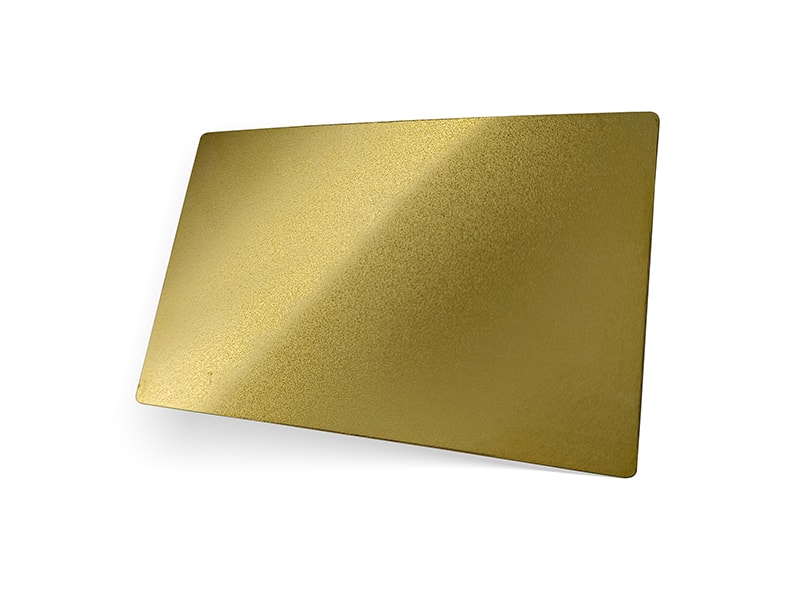
The stainless steel surface is subjected to a uniform flow of media, and the operator adjusts parameters such as air pressure, bead size, and nozzle distance to achieve the desired finish. The result is a consistent, satin-gray surface that diffuses light evenly and hides minor surface defects.
Bead blasting provides a distinctive look and texture that sets it apart from polished or brushed finishes. Its key characteristics include:
Matte Appearance: The surface is evenly dull, without glare or reflection.
Fine Texture: The finish is smooth to the touch, with a subtle tactile feel.
Non-Directional Pattern: Unlike brushed finishes, bead blasting leaves no visible grain lines, giving the metal a uniform tone from every viewing angle.
Improved Cleanliness: The process removes contaminants, oxidation, and discoloration caused by welding or heat treatment.
This unique balance of aesthetics and practicality makes bead-blasted stainless steel a preferred choice in architectural, decorative, and industrial design.
The bead blasting finish provides both functional and aesthetic benefits for stainless steel components.
A. Aesthetic Enhancement
Bead blasting enhances the visual appeal of stainless steel by creating a refined and elegant surface. The matte tone provides a modern, understated look that fits seamlessly into contemporary architecture, luxury appliances, and precision equipment.
B. Uniform Surface Texture
Unlike polishing, which may produce variations in brightness, bead blasting ensures a consistent surface texture across large areas, making it ideal for façades, panels, and enclosures.
C. Improved Corrosion Resistance
By cleaning the surface and removing embedded contaminants, bead blasting enhances the passivation layer of stainless steel. This oxide layer improves resistance to corrosion, especially when followed by chemical passivation treatment.
D. Enhanced Durability and Maintenance
The matte finish resists fingerprints and minor scratches better than mirror-polished surfaces, making it easier to maintain. It’s widely used in environments where cleanliness and appearance are both important, such as in medical, food processing, and architectural applications.
The versatility of bead-blasted stainless steel allows it to be used across a wide range of industries.
Architectural and Interior Design
Bead-blasted stainless steel is often used in building façades, handrails, elevator panels, door trims, and wall claddings. The non-reflective surface creates a sophisticated look while minimizing glare in natural lighting conditions.
Industrial and Engineering Components
In industrial applications, bead blasting is used for machinery parts, piping systems, and fabricated assemblies to clean welds, remove scale, and prepare the surface for further coating or bonding processes.
Food and Medical Equipment
Because the process removes impurities without introducing new contaminants, bead blasting is ideal for hygienic environments. It ensures a clean, smooth surface that minimizes bacterial buildup, making it suitable for kitchen equipment, surgical instruments, and laboratory apparatus.
Automotive and Aerospace Applications
In these sectors, bead blasting is used to improve fatigue strength, eliminate surface stresses, and achieve a consistent matte aesthetic for visible components such as panels, casings, and decorative trims.
When compared with other surface finishes, bead blasting offers a unique balance between appearance, function, and practicality.
| Finish Type | Appearance | Reflection | Maintenance | Typical Use |
|---|---|---|---|---|
| Mirror Polished (No. 8) | Highly reflective | High | High | Decorative panels, luxury interiors |
| Brushed (No. 4) | Linear grain | Medium | Moderate | Appliances, trims, elevators |
| Bead Blasted | Matte, uniform | Low | Low | Architecture, equipment, hygienic applications |
| Pickled or Passivated | Dull gray | Low | Low | Industrial and chemical uses |
Bead blasting provides a balanced visual texture that is neither overly reflective nor too rough, making it one of the most versatile finishes available.
Achieving a high-quality bead blasting finish requires precise control of multiple parameters:
Bead Size and Hardness: Smaller beads create a finer finish, while larger beads produce a coarser texture.
Air Pressure: Higher pressure increases impact energy but may roughen the surface if overdone.
Angle of Impact: Adjusting the nozzle angle controls uniformity and depth of finish.
Distance from Surface: Proper distance ensures even coverage and avoids localized roughness.
Surface Preparation: Removing oils, oxides, and welding residues before blasting ensures consistent results.
Consistent process control ensures that the resulting finish meets architectural standards and maintains the integrity of the stainless steel’s protective layer.
Despite its many advantages, bead blasting also has certain limitations that must be considered:
Surface Porosity: Improper blasting can cause microscopic roughness that traps contaminants.
Fingerprints and Stains: While more resistant than polished finishes, matte surfaces can still show oils if handled frequently.
Process Cost: Compared to simple polishing or brushing, bead blasting may involve higher operational costs due to equipment and media recycling needs.
Not Ideal for All Grades: Some lower grades of stainless steel may not respond uniformly, especially if the material has variable hardness or prior mechanical damage.
Careful selection of parameters and stainless steel grade ensures the best possible outcome for both appearance and performance.
Maintenance for bead-blasted stainless steel is relatively straightforward. Regular cleaning with mild detergents and non-abrasive cloths helps maintain its aesthetic appeal. Avoid harsh chemical cleaners or steel wool, as they can compromise the protective oxide layer. For outdoor installations, periodic rinsing to remove environmental contaminants such as dust or salt is recommended to preserve long-term corrosion resistance.
Bead blasting offers a perfect blend of aesthetics and performance for stainless steel surfaces. It creates a visually pleasing matte texture, enhances corrosion resistance, and provides a uniform finish that complements both industrial and architectural applications.
From sleek building façades to precision medical devices, the bead blasting finish delivers durability, cleanliness, and timeless elegance. Its ability to transform stainless steel into a surface that is both functional and beautiful makes it an essential finishing process in modern metal fabrication.


Factory Add: No. 8, Huancheng West Road, Guanglong Industrial Zone, Yongxing Community, Chencheng Town, Shunde District Foshan City
Office Add: Room 2127-2128 M-city, No. 110 Yuhe Road, Shunde District, Foshan city, China



 LANG
LANG